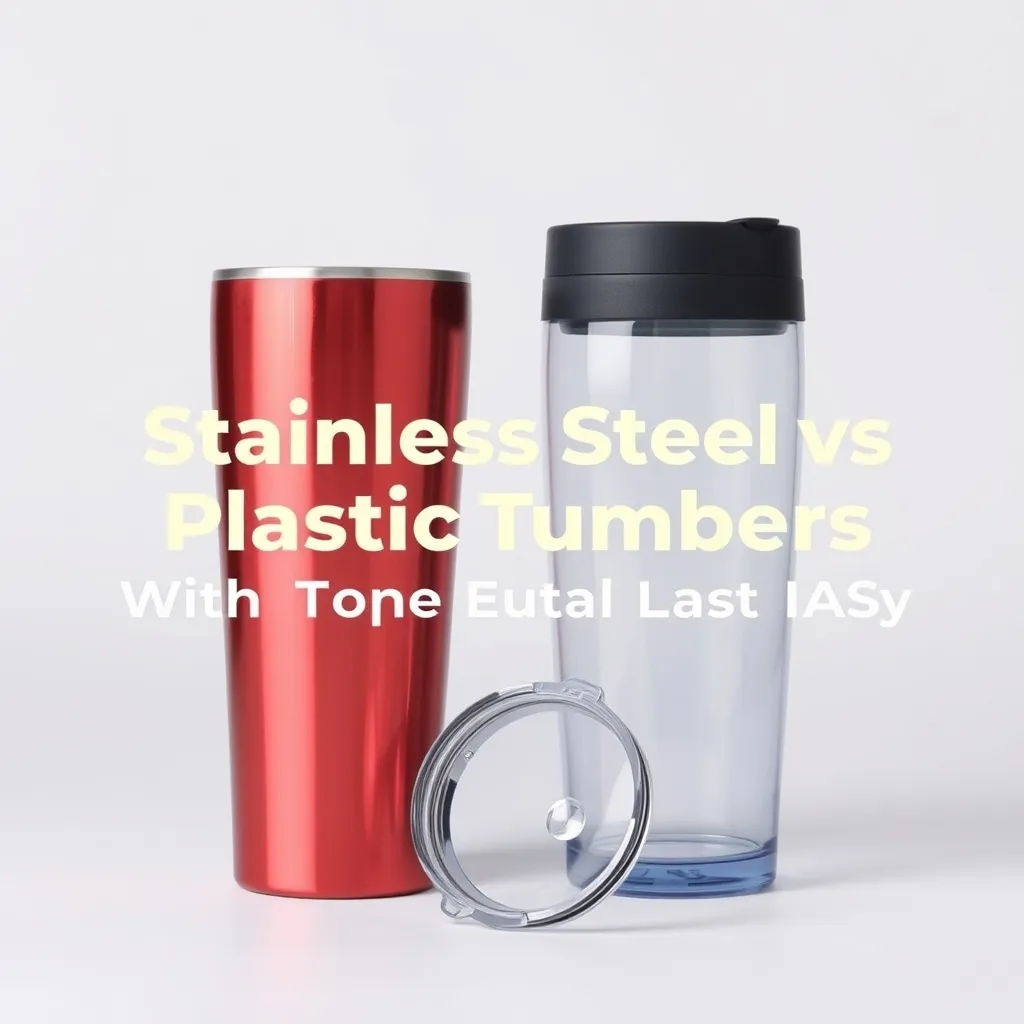
When you’re choosing a tumbler, the first question isn’t color or design—it’s durability. How long will it last? Will it hold up after years of daily use, drops, and dishwasher cycles? Most importantly, is it safe for your health? The debate between stainless steel and plastic tumblers isn’t just about aesthetics; it’s about longevity, performance, and peace of mind. Let’s break it down.
Lifespan: Plastic Cracks, Stainless Steel Endures
Plastic tumblers, even high-quality ones like those from RTIC or Yeti’s plastic lineup, have a shelf life. Over time, they develop unsightly scratches, cloudy stains from citrus or coffee, and—worst of all—micro-cracks that trap bacteria. A 2022 study by Consumer Reports found that plastic tumblers exposed to heat or repeated washing often degrade within 2–3 years, even with BPA-free labels. Some budget brands start showing wear after just a few months of use.
Stainless steel, on the other hand, laughs at such fragility. A well-made 304-grade stainless steel tumbler, like those from Hydro Flask or Klean Kanteen, can last 10–15 years or more. The material resists dents, corrosion, and heat damage. Even after years of abuse, a stainless steel tumbler looks and performs like new. That’s why outdoor enthusiasts, gym-goers, and office workers swear by it. If you want a tumbler that won’t quit, stainless steel is the clear winner. For more on how top models perform in real-world tests, check out our guide on the best insulated tumblers of 2025.
Safety and Performance: Plastic Leaches, Steel Insulates
Plastic tumblers aren’t just short-lived—they can be risky. Many contain BPA, phthalates, or other endocrine disruptors, which can leach into your drink, especially when exposed to heat. The FDA regulates these chemicals, but studies like those from the Environmental Working Group (EWG) show that even “BPA-free” plastics can release harmful substances over time. Hot coffee in a plastic tumbler? That’s a recipe for chemical migration.
Stainless steel eliminates these concerns. It’s inert, meaning it doesn’t react with your drink, no matter the temperature. A stainless steel tumbler keeps iced coffee colder for 24 hours and hot tea piping for 12—far outperforming most plastic models, as Consumer Reports reports. Brands like Stanley and Zojirushi use vacuum insulation technology to lock in temperature, something plastic simply can’t replicate. Plus, stainless steel won’t absorb odors or flavors, so your minty water stays minty, not like a forgotten gym bag.
If you’re still on the fence, consider the environmental impact. Plastic tumblers contribute to landfill waste and microplastic pollution, while stainless steel is 100% recyclable. It’s a small change with big long-term benefits.
For those who love the convenience of plastic but want durability, some brands offer polycarbonate tumblers, which are shatter-resistant. However, even these degrade faster than stainless steel and may still leach chemicals under certain conditions. If you’re serious about a tumbler that lasts, stainless steel is the only logical choice.
Still unsure which tumbler fits your lifestyle? Check out our guide on the best tumblers for hot coffee to see how top models stack up in real-world tests.